We're inventing medicines that restore function in old cells.
If successful, we hope these medicines can both treat disease and preserve health in broad populations. We're starting with medicines focused on the metabolic, vascular, and immune systems.
Metabolism
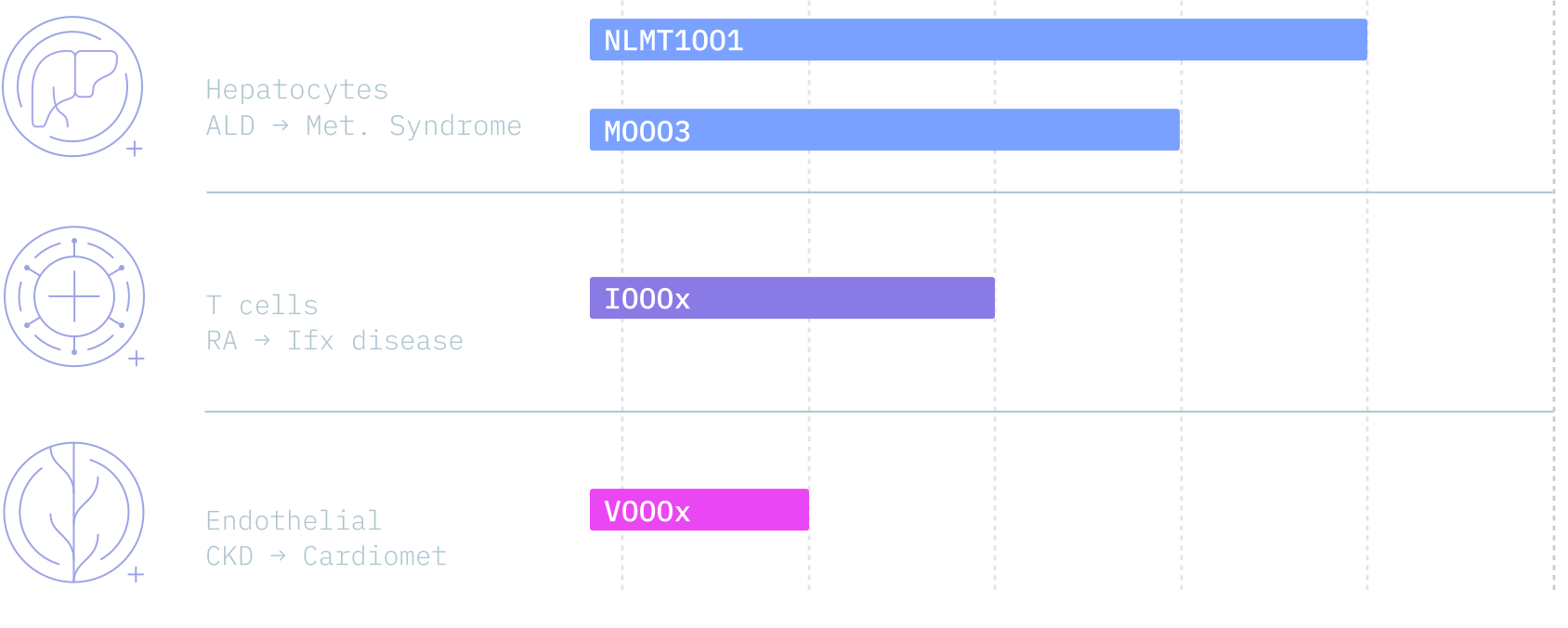
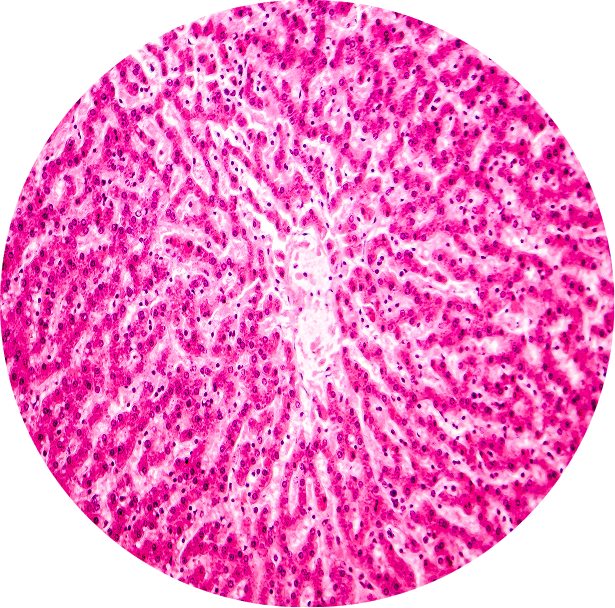
Hepatocytes are the keystone cell type in the liver, responsible for producing critical components of the circulatory system and metabolizing food, drugs, and toxins. Old hepatocytes are more susceptible to damage from dietary toxins, worse at repairing the liver once damage has occurred, and display altered metabolism. Loss of hepatocyte function is one cause of metabolic aging that occurs in most people as we age.
Our Metabolism program is developing medicines to restore youthful function in old hepatocytes. If successful, we believe these medicines could both benefit patients with liver disease and preserve metabolic health in everyone.
Vascular
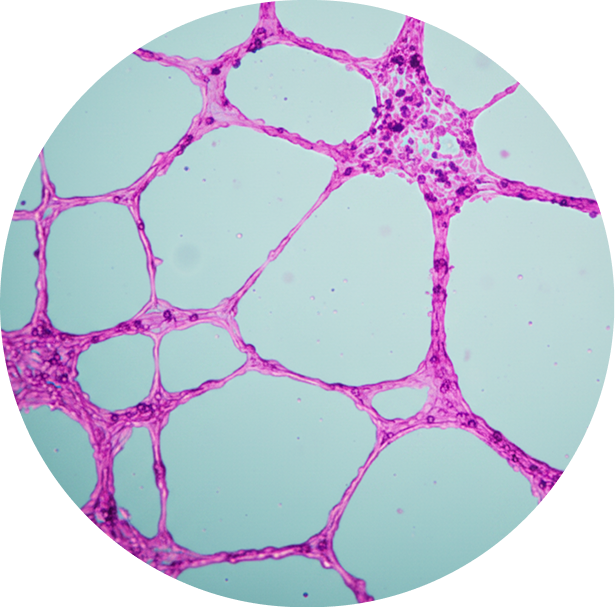
Endothelial cells line the blood vessels that carry nutrients and signals throughput your body, living inside all other tissues. As we age, the endothelium atrophies and the barrier separating the bloodstream from tissues can break down.
Our Vascular team is developing reprogramming medicines to rescue endothelial function. We are initially focused on rejuvenating endothelial cells in the kidney to reverse the course of kidney disease and preserve renal function in all of us. Over time, we believe rejuvenating the endothelium could promote cardiovascular, metabolic, and cognitive health.
Immunology
T cells are one of two arms of the adaptive immune system, surveying the body to find and eliminate pathogens. Older T cells are less specific in their reactions, sounding the inflammatory alarm inappropriately and damaging the body's own tissues. When pathogens do arise, old T cells are also less effective in clearing an infection.
Our Immunology team is working to restore specificity and a normal immunological state in old T cells, initialy focused on inflammatory diseases of aging. A successful rejuvenation medicine for T cells could provide benefit across inflammatory, infectious, and neoplastic diseases in nearly all people.
